
Tang Soo Do is a traditional Korean martial art known for powerful kicks, disciplined training, practical self-defence, and strong personal development. Often compared to karate and taekwondo, Tang Soo Do has its own unique identity, shaped by Korean heritage, East Asian martial arts influence, and the work of modern masters who helped preserve its traditional values.
For anyone looking for martial arts training, self-defense classes, karate-style lessons, or martial arts for kids and adults, the history of Tang Soo Do offers a deeper understanding of what makes this art so meaningful.
Ancient Korean Martial Heritage
Modern Tang Soo Do developed in the 20th century, but its cultural inspiration is often linked to Korea’s older martial traditions.
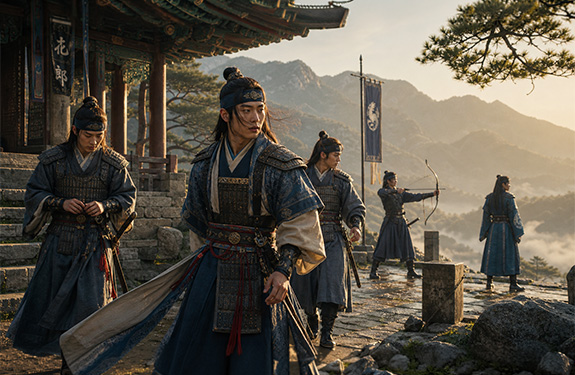
During Korea’s Three Kingdoms period, roughly 57 BCE to 668 CE, the kingdoms of Silla, Goguryeo, and Baekje developed strong military and cultural traditions. One of the most well-known groups from this period was the Hwarang of Silla, an elite group of young men trained in martial skill, leadership, ethics, and discipline.
While Tang Soo Do itself did not exist during this ancient period, the values associated with the Hwarang, including courage, respect, self-control, and character development, continue to reflect the spirit of traditional Korean martial arts today.
The Influence of Karate, Taekwondo, and Chinese Martial Arts
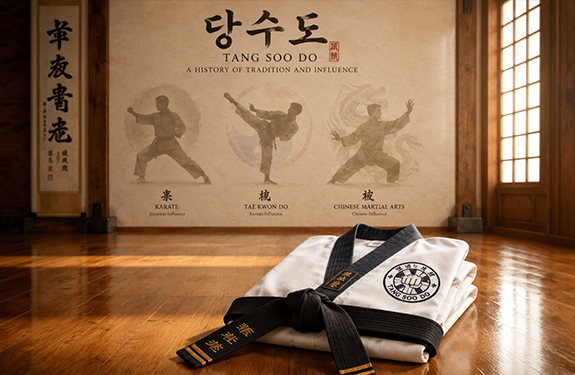
Tang Soo Do was shaped by several martial arts influences. Like karate, it includes strong stances, hand techniques, forms, and structured training. Like taekwondo, it places a strong emphasis on powerful and dynamic kicking. It also reflects elements of Chinese martial arts through movement, philosophy, and traditional martial thinking.
This blend gives Tang Soo Do its balanced character. It is practical, disciplined, and deeply rooted in tradition, while still offering effective training for modern students.
Korea, Japanese Occupation, and Martial Arts Development
From 1910 to 1945, Korea was under Japanese rule. During this time, Korean culture was heavily restricted, and Japanese martial arts such as karate, judo, and kendo became more visible in Korea.
This period had a major influence on the development of modern Korean martial arts. After Korea’s liberation in 1945, many martial arts schools, known as kwans, were established. These schools helped shape the future of Korean martial arts, including Tang Soo Do and taekwondo.
The Birth of Modern Tang Soo Do
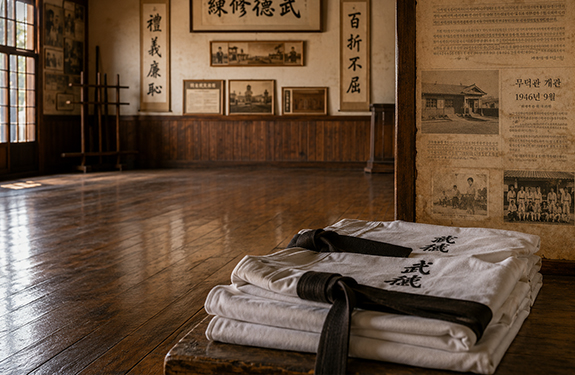
The modern history of Tang Soo Do is closely connected to Hwang Kee, one of Korea’s most important martial arts figures. In 1945, shortly after Korea’s liberation, Hwang Kee founded the Moo Duk Kwan school in Seoul.
His system was first known as Hwa Soo Do, later became associated with Tang Soo Do, and eventually developed further under the name Soo Bahk Do. Tang Soo Do grew into a complete martial art focused on self-defense, discipline, traditional forms, physical fitness, and personal growth.
The name Tang Soo Do is often translated as “the way of the Tang hand” or “China hand way”, reflecting the broader East Asian influences that helped shape the art.
Tang Soo Do vs Taekwondo
Tang Soo Do and taekwondo are often compared, and for good reason. Both are Korean martial arts, both include strong kicking techniques, and both developed during the same period of Korean martial arts history.
However, they followed different paths. In the 1960s, many Korean martial arts schools were encouraged to unify under the name Taekwondo. Some schools joined this movement, while others chose to preserve their own traditional identity.
Today, taekwondo is widely recognised as an Olympic sport. Tang Soo Do remains more closely connected to traditional martial arts training, with a strong focus on forms, self-defense, discipline, respect, and character development.
Why Tang Soo Do Still Matters Today
Tang Soo Do is more than a fighting system. It is a complete approach to training the body and mind.
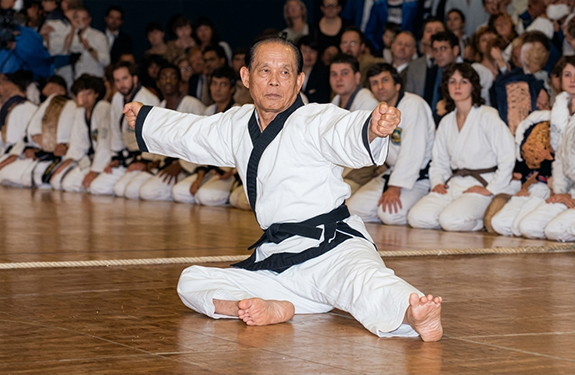
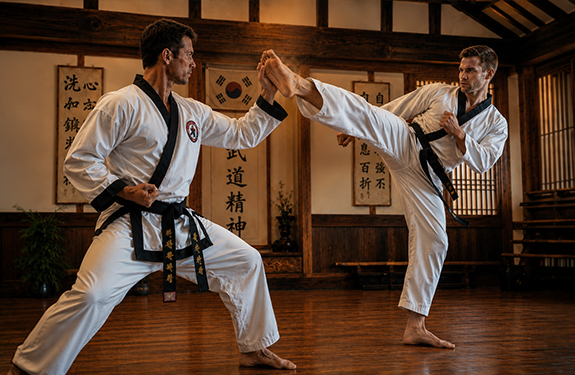
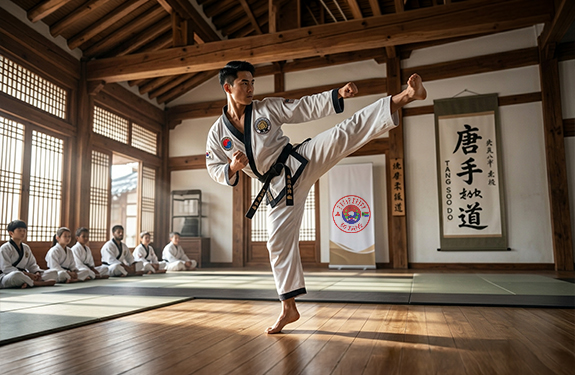
Students practice powerful kicks, strikes, forms, sparring, self-defense techniques, fitness, flexibility, balance, and coordination. Just as importantly, they learn focus, confidence, perseverance, respect, and self-discipline.
This makes Tang Soo Do an excellent choice for children, teenagers, and adults. Whether you are looking for martial arts classes near you, self-defense training, kids martial arts, fitness classes, or a traditional alternative to karate or taekwondo, Tang Soo Do offers a strong and rewarding path.
Tang Soo Do is a modern Korean martial art with deep cultural inspiration and lasting relevance. Its story begins with Korea’s martial heritage, develops through the challenges of the 20th century, and continues today in dojangs around the world.
With its blend of self-defence, fitness, discipline, and traditional values, Tang Soo Do remains one of the most well-rounded martial arts for anyone wanting to build skill, confidence, and character.